
 Get a Quote
 Send Inquiry
Aquadax PH Analyzer
MOQ : 100 Pieces
Aquadax PH Analyzer Specification
- Equipment Type
- PH Analyzer
- Number of Specimens
- 1
- Specimen Size
- Standard Probe
- Power Supply
- Electricity
- Port Size
- 1/2 inch
- Application
- Industrial/Water Quality Monitoring
- Interface Type
- 4-20mA Output, RS485
- Automation Grade
- Automatic
- Measuring Range
- pH 0-14
- Material
- Plastic
- Accuracy
- 0.02 pH
- Temperature
- 0C to 60C
- Response Time
- <20 seconds
- Operating Voltage
- 230V AC
- Frequency
- 50 Hz
- Test Range
- pH 0-14
- Humidity
- 90% RH (Non-Condensing)
- Mounting Type
- Panel/Wall Mount
- Operate Method
- Semi Automatic
- Display Type
- Digital LCD Display
- Features
- Automatic Temperature Compensation, Auto Buffer Recognition, Data Logging
- Resolution
- 0.01 pH
- Usage
- PH Measurement, Process Control
- Capacity
- Continuous Monitoring
- Machine Weight
- Approx. 3 kg
- Control Mode
- Microprocessor Based
- Input Impedance
- >10 Ohms
- Electrode Type
- Combination pH Electrode
- Cable Length
- Up to 10 meters
- Storage Conditions
- -10C to 70C
- Enclosure Rating
- IP65
- Alarm Output
- Relay Output (Configurable)
- Calibration
- Two or Three Point, Auto/Manual
- Sensor Material
- Glass & Polypropylene
Aquadax PH Analyzer Trade Information
- Minimum Order Quantity
- 100 Pieces
- Payment Terms
- Cash Advance (CA)
- Delivery Time
- 10 Days
- Main Domestic Market
- All India
About Aquadax PH Analyzer
Aquadax PH Analyzer we present is designed to be utilized in bio-pharmaceutical industrial process for the purpose of measuring the pH level of process liquids. This kind of device can measure pH value of fluids ranging from 0 to 14 pH. The device is well engineered and manufactured by adept team members utilize quality component, pH checking sensor, colored LCD screen, polymer housing and other needed components & parts. Besides, clients can get Aquadax PH Analyzer in varied models and configurations at industry leading prices.
Specification
|
Calibration |
Automatic |
|
Degree of Protection |
IP67 |
|
Packaging Type |
Box |
|
pH Range |
14pH |
|
Usage |
Industrial |
|
Cable Length |
5m |
|
Brand |
Aquadax |
Superior Accuracy for Demanding Applications
With a high input impedance (>1012 Ohms) and a precision glass/polypropylene probe, the Aquadax PH Analyzer ensures dependable pH measurements with an accuracy of 0.02 pH and rapid response time below 20 seconds. Its advanced microprocessor control and digital LCD display make it ideal for water treatment plants and industrial process monitoring.
Adaptable Calibration and Flexible Installation
Users enjoy straightforward, flexible calibration options-two or three-point, either auto or manual-adding confidence in varying water conditions. The analyzer supports panel or wall mounting and comes with up to 10 meters of cable, easing installation around complex process environments. Its IP65 rating and robust build withstand challenging industrial atmospheres.
Advanced Features for Reliable Control and Data
Automatic temperature compensation, auto buffer recognition, and relay outputs enhance operational reliability. Data logging and connectivity via 4-20mA output and RS485 simplify integration with automation systems. Continuous monitoring helps users achieve consistent product quality and regulatory compliance, reducing operational downtime.
FAQ's of Aquadax PH Analyzer:
Q: How do I calibrate the Aquadax PH Analyzer, and how often should calibration be performed?
A: The Aquadax PH Analyzer supports both two-point and three-point calibration, which can be executed automatically or manually via the digital interface. For optimal accuracy, it is recommended to calibrate the device regularly, typically before each batch operation or at least monthly, depending on the usage intensity and water quality changes.Q: What are the recommended storage and operating conditions for the Aquadax PH Analyzer?
A: The analyzer should be stored in environments between -10C to 70C and operated within 0C to 60C, with humidity not exceeding 90% RH (non-condensing). Proper storage and operation within these parameters will prolong the instrument's lifespan and ensure reliable measurements.Q: How is the Aquadax PH Analyzer installed, and what are its mounting options?
A: This PH analyzer can be mounted either on a panel or wall, offering flexibility for various industrial settings. Ensure that the sensor and cable (up to 10 meters) are securely connected and positioned from the process flow, and that the port size of 1/2 inch matches your integration requirements.Q: What industrial applications is the Aquadax PH Analyzer best suited for?
A: Designed for continuous pH measurement, this analyzer is ideal for industrial water quality monitoring, process control, and automation. Its robust construction and precise measurement capabilities support sectors like wastewater treatment, chemical manufacturing, and other process industries.Q: What benefits do automatic temperature compensation and auto buffer recognition offer?
A: Automatic temperature compensation ensures accurate readings across a range of process temperatures, while auto buffer recognition streamlines calibration, reducing human error. These features boost reliability and ease of use, critical in maintaining quality control and system efficiency.Q: How does the alarm output work, and can it be customized?
A: The Aquadax PH Analyzer is equipped with configurable relay alarm outputs. These alarms can be tailored to alert operators if pH readings exceed set limits, enabling prompt action to maintain process parameters and safeguard equipment and product quality.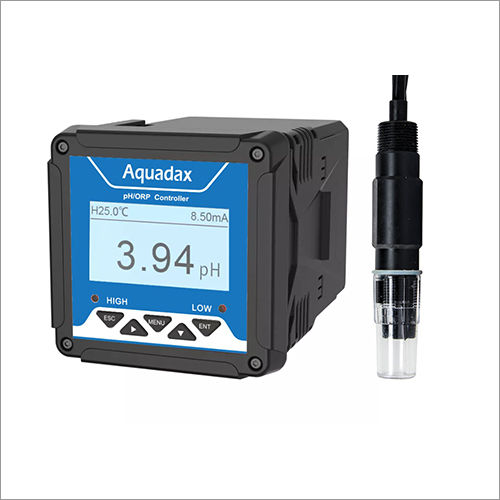
Tell us about your requirement

Price:
Quantity
Select Unit
- 50
- 100
- 200
- 250
- 500
- 1000+
Additional detail
Mobile number
Email

More Products in Water Quality Analyzer Category
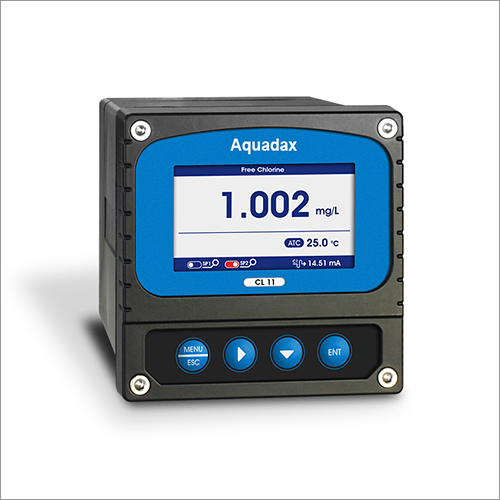
CL11 Chlorine Analyzer
Price Range 25000.00 - 50000.00 INR / Piece
Minimum Order Quantity : 100 Pieces
Measuring Range : 010 mg/L
Material : Plastic
Application : Continuous measurement of chlorine levels in water treatment
Power Supply : Electricity
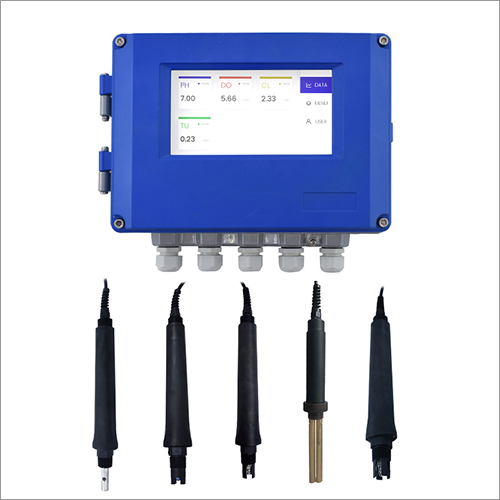
Multipara Meter Transmitter Analyzer
Price Range 25000.00 - 50000.00 INR / Piece
Minimum Order Quantity : 100 Pieces
Measuring Range : pH: 014, Conductivity: 02000 S/cm, TDS: 02000 ppm, ORP: 1000 to +1000 mV, DO: 020 mg/L
Material : Plastic
Application : Water Quality & Process Monitoring
Power Supply : Electricity
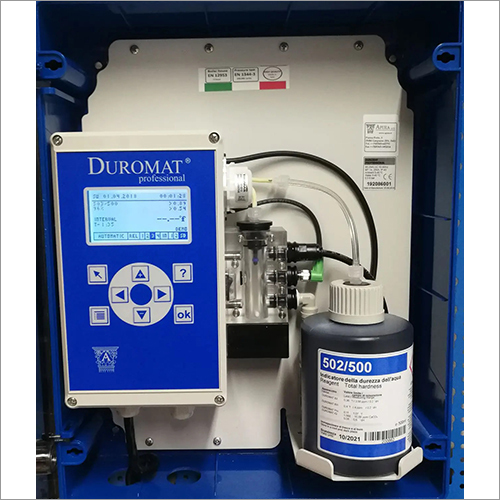
Iron Analyzer
Price Range 25000.00 - 50000.00 INR / Piece
Minimum Order Quantity : 100 Pieces
Measuring Range : 0.0010.00 mg/L
Material : Plastic
Application : Analysis of iron content in water
Power Supply : Electricity
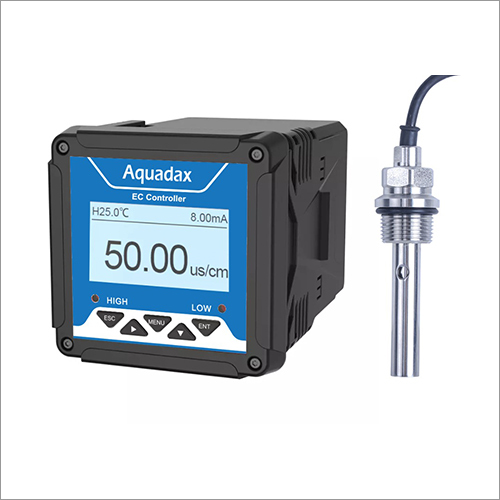
Aquadax Conductivity TDS Analyzer
Price Range 25000.00 - 50000.00 INR / Piece
Minimum Order Quantity : 100 Pieces
Measuring Range : 0200 mS/cm Conductivity, 02000 ppm TDS
Material : Plastic
Application : Water Quality Testing
Power Supply : Electricity

Contact Us

- Plot No. 33 70, Hospital Road, Old Town, Bhubaneswar, Khordha,Bhubaneswar - 751002, Odisha, India
- Phone :08045812582

- Mr. Amarjit Panigrahi (Director)
- Mobile :08045812582
- Send Inquiry
 Send Inquiry
 Send Inquiry
 Send SMS
Developed and Managed by Infocom Network Private Limited.


