
 Get a Quote
 Send Inquiry
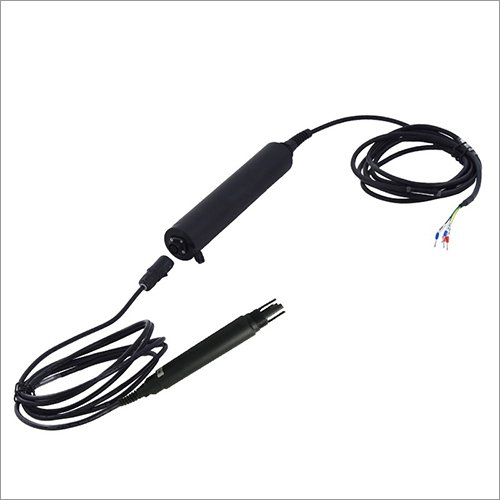
Spectral Sensors with Transmitter
Price 30000 INR/ Piece
MOQ : 100 Pieces
Spectral Sensors with Transmitter Specification
- Resistance
- >10 M
- Output
- Analog / Digital (configurable)
- Theory
- Optical Spectroscopy
- Type
- Spectral Sensor with Transmitter
- Accuracy
- 1%
- Operating Voltage
- 12-24V DC
- Output Voltage
- 0-10V DC
- Compensated Temperature
- 0C to +50C
- Storage Temperature
- -30C to +70C
- Operating Temperature
- -20C to +60C
- Connection
- 4-pin M12 connector
- Mounting Type
- Panel / DIN Rail
- Sensor Material
- UV-stabilized polycarbonate
- Dimensions
- 110 x 60 x 40 mm
- Weight
- 120 g
- Ingress Protection
- IP65 (Dust and water resistant)
- Power Consumption
- <2W
- Response Time
- <1s
- Wavelength Range
- 380 nm to 780 nm (VIS)
Spectral Sensors with Transmitter Trade Information
- Minimum Order Quantity
- 100 Pieces
- Payment Terms
- Cash Advance (CA)
- Delivery Time
- 10 Days
- Main Domestic Market
- All India
About Spectral Sensors with Transmitter
Spectral Sensors with Transmitter that we bring forth are engineered for the detection of parasites presence in the plants. These types of sensors provide a more detailed measurement of substances in order to achieve enhanced health and safety. Owing to their small size and user-friendly operating panel, it can easily be operated by single person. Convenient to carry and easy to use, the Spectral Sensors with Transmitter can be acquired by clients in varied models and configurations at competitive prices.
Advanced Optical Sensing Technology
Implementing Optical Spectroscopy, this spectral sensor delivers precise and rapid measurements of visible light, covering the full 380 nm to 780 nm spectrum. Its UV-stabilized polycarbonate construction ensures resilience against environmental influences, making it suitable for both indoor and outdoor deployments. The compact design and easy-to-read LCD further enhance usability.
Versatile Integration with Industrial Systems
Mountable via panel or DIN rail, the sensor seamlessly connects to automation systems using standard 4-pin M12 connectors, supporting both analog (0-10V DC) and digital output configurations. Its low power draw and robust performance within a broad temperature range enable stable operation in demanding industrial processes, facilitating seamless system upgrades or new installations.
FAQ's of Spectral Sensors with Transmitter:
Q: How does the spectral sensor with transmitter measure visible light in industrial settings?
A: The sensor utilizes optical spectroscopy to detect and measure the intensity of visible light within the 380 nm to 780 nm range, providing real-time analysis with high accuracy (1%). Its transmitter converts these readings into analog or digital outputs for easy integration with control systems.Q: What are the primary benefits of using a sensor made from UV-stabilized polycarbonate in industrial environments?
A: UV-stabilized polycarbonate enhances the sensor's resistance to environmental degradation, ensuring longevity and reliability even under constant exposure to sunlight, dust, and moisture-vital for both outdoor and indoor industrial applications.Q: When should the sensor be calibrated or maintained for optimal performance?
A: Routine calibration and maintenance schedules, typically recommended annually or per manufacturer guidelines, ensure the sensor maintains its 1% accuracy. Specific intervals may vary based on application intensity and environmental conditions.Q: Where can the sensor be installed, and what are its mounting options?
A: The device can be installed in control panels or onto DIN rails, offering flexibility to fit a variety of industrial setups. Its IP65 rating allows for placement in areas with exposure to dust and water without risk of sensor failure.Q: What is the installation process and how is the sensor connected to system controls?
A: Installation involves securely mounting the sensor via panel or DIN rail, then connecting it using the supplied 4-pin M12 connector. The output can be configured as analog (0-10V DC) or digital, adapting to your system requirements. Power is supplied within a 12-24V DC range.Q: How does the sensor's fast response time benefit industrial applications?
A: With a response time of less than 1 second, the sensor rapidly detects changes in light conditions, enabling timely control actions in automated processes. This ensures improved efficiency and accuracy, especially in dynamic industrial environments.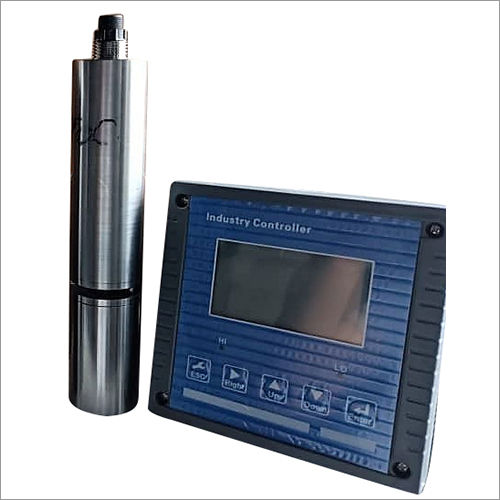
Tell us about your requirement

Price:
Quantity
Select Unit
- 50
- 100
- 200
- 250
- 500
- 1000+
Additional detail
Mobile number
Email

More Products in Water PH Sensor Category
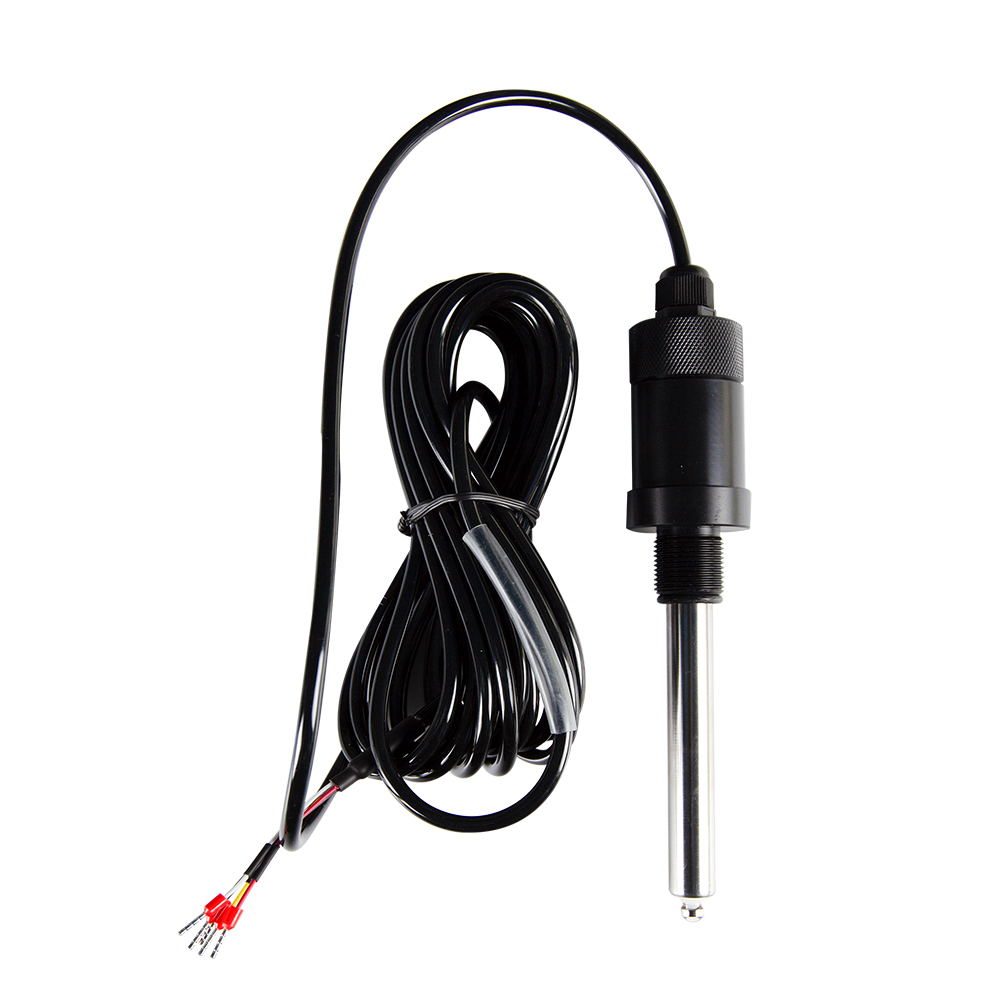
PPS Chlorine Sensor
Price 30000 INR / Piece
Minimum Order Quantity : 100 Pieces
Material : Plastic & Steel
Usage : Industrial
Resolution : LCD
Product Type : PPS Chlorine Sensor
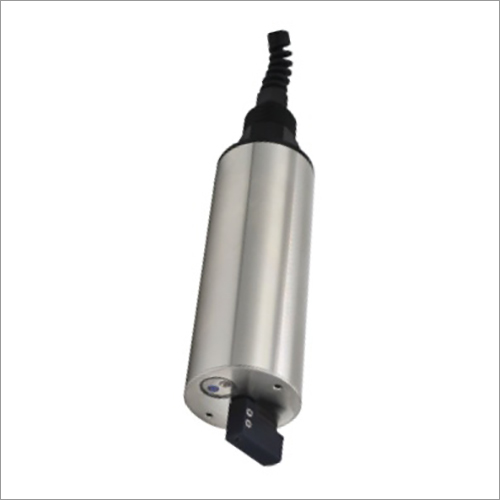
RS485 Output Signal Sensor
Price 30000 INR / Piece
Minimum Order Quantity : 100 Pieces
Material : Plastic & Steel
Usage : Industrial
Resolution : LCD
Product Type : RS485 Output Signal Sensor
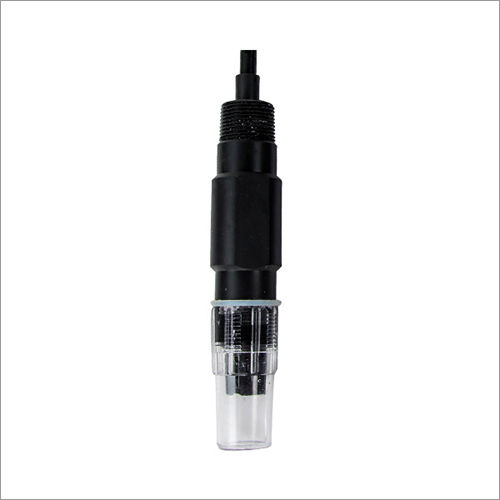
DAX PH Sensor
Price 30000 INR / Piece
Minimum Order Quantity : 100 Pieces
Material : Plastic & Steel
Usage : Industrial
Resolution : LCD
Product Type : DAX PH Sensor
Hardness Fluoride Ion Sensor
Price 30000 INR / Piece
Minimum Order Quantity : 100 Pieces
Material : Plastic & Steel
Usage : Industrial
Resolution : LCD
Product Type : Hardness Fluoride Ion Sensor

Contact Us

- Plot No. 33 70, Hospital Road, Old Town, Bhubaneswar, Khordha,Bhubaneswar - 751002, Odisha, India
- Phone :08045812582

- Mr. Amarjit Panigrahi (Director)
- Mobile :08045812582
- Send Inquiry
 Send Inquiry
 Send Inquiry
 Send SMS
Developed and Managed by Infocom Network Private Limited.


